💣 Introduction: The Hidden Danger of Modern Debt
Why Debt Traps Are Evolving in 2025
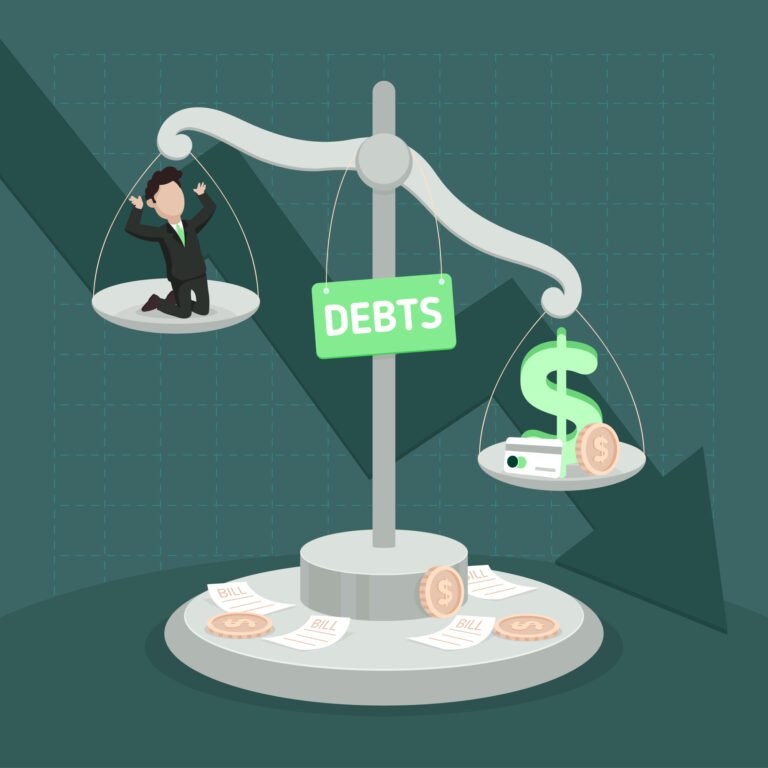
Debt Traps: Debt isn’t what it used to be. In 2025, borrowing has become easier, faster, and more normalized than ever—thanks to fintech apps, instant approvals, and Buy Now, Pay Later schemes. But with convenience comes complexity. Many borrowers don’t realize that the lending landscape has evolved, often favoring institutions more than individuals. What once looked like a harmless short-term loan can now spiral into a financial pitfall.
How Small Loans Turn into Lifelong Burdens
It usually starts small: a credit card balance, a personal loan, or a “0% for 6 months” offer. But missed payments, compounding interest, penalty fees, and refinancing offers can trap borrowers into a long-term repayment cycle. What seemed like a few thousand rupees or dollars can balloon into tens of thousands over time. And if you’re only making minimum payments, you’re not reducing your debt—you’re feeding it.
The Psychology of Borrowing and Overconfidence Bias
Many people overestimate their ability to manage debt. This is known as overconfidence bias—a psychological trap where you believe future income, discipline, or opportunities will easily cover your borrowing. “I’ll pay it off next month” turns into “maybe next year.” Meanwhile, the interest keeps ticking. Lenders rely on this behavior, often structuring loans in a way that benefits from delays and defaults.
🚩 Red Flag #1: Buy Now, Pay Later (BNPL) Overuse
Why BNPL Isn’t as Harmless as It Seems
Buy Now, Pay Later services like Klarna, Afterpay, and local apps in Pakistan or other regions have surged in popularity. These platforms offer instant gratification: no interest (at first), no credit checks, no waiting. But this “interest-free” illusion often hides the real cost. If a payment is missed, late fees apply, and those small fees stack up fast. BNPL also tempts users into buying more than they can afford—because the financial hit doesn’t feel immediate.
Missed Payments and Mounting Fees
BNPL systems often require weekly or bi-weekly payments. One missed payment can trigger penalty fees, collection actions, and even negatively affect your credit score. In some cases, users are paying multiple BNPL plans at once—without fully realizing how much is leaving their accounts each month. The fragmented nature of repayments can make it harder to track than traditional loans.
How BNPL Impacts Your Credit Score in 2025
In 2025, more BNPL providers are reporting to credit bureaus. That means even a short delay or missed installment can show up on your credit report. And unlike credit cards, most BNPL apps don’t offer long-term credit-building benefits. You’re taking on risk—without the rewards of responsible credit use.
🚩 Red Flag #2: Low Introductory Rates with Hidden Terms
Teaser Rates on Credit Cards & Loans: Too Good to Be True?
You’ve seen the offers: 0% interest for 12 months, ultra-low APR on balance transfers, or “no payments until 2026.” These teaser rates are designed to hook borrowers fast. But lenders don’t advertise what happens next. Once the promotional period ends, interest rates often skyrocket—sometimes to 20% or more. That initial “deal” becomes a financial time bomb if not paid off in full before the grace period expires.
What Happens After the 0% Period Ends
Many borrowers miscalculate their ability to repay within the promotional window. Once the intro period ends, the remaining balance is charged retroactive interest in some cases—meaning you’ll owe interest on the full original amount, not just what’s left. Suddenly, what felt like a strategic decision becomes a high-cost mistake.
Key Clauses to Read in the Fine Print
In 2025, lenders are increasingly embedding complex terms into their contracts. Look out for:
- Deferred interest clauses
- Penalty APR triggers (e.g., one late payment bumps your rate permanently)
- Balance transfer fees (typically 3–5%)
- Repricing events tied to credit score drops
Reading the fine print—or better yet, using a loan comparison tool with transparency filters—can save you thousands over time.
🚩 Red Flag #3: Consolidation Loans That Don’t Solve the Problem
When Debt Consolidation Becomes a Debt Extension
Consolidating debt seems smart: one payment, lower interest, less stress. But here’s the catch—many borrowers use consolidation loans as a temporary relief, not a long-term fix. Instead of tackling the root spending habits or cutting down overall debt, they simply stretch payments over a longer term. The result? You might end up paying more in interest overall, even with a lower monthly payment.
Interest Rate Calculations You Should Run First
Before jumping into a debt consolidation offer, calculate the total cost over time—not just the interest rate. Use this formula:
Total Repayment = Monthly Payment × Number of Months
Then compare it to your current debt structure. A 10% loan over 6 years might sound better than a 22% credit card—until you realize you’re paying more in total interest due to time. Also, consider origination fees, closing costs, and prepayment penalties that some lenders sneak into consolidation packages.
Strategic vs. Desperate Refinancing
A strategic consolidation involves planning:
- You’ve stopped using credit cards.
- You’ve cut expenses to avoid future borrowing.
- You’re choosing the shortest loan term possible to minimize interest.
A desperate consolidation, on the other hand, is done under pressure—usually with no budget change, no payment strategy, and continued borrowing on other lines of credit. That’s when consolidation becomes a trap, not a tool.
🚩 Red Flag #4: Variable Interest Rates in an Unstable Economy
Why Floating Rates Are Riskier in 2025
Variable-rate loans (like certain credit cards, personal loans, or adjustable-rate mortgages) may start out cheaper than fixed-rate options—but they carry hidden volatility. In 2025, with global inflation pressures and policy shifts, interest rates are anything but stable. A modest rate today can double next year, adding thousands to your repayment burden overnight.
Central Bank Policy and Its Impact on Borrowers
In economies like Pakistan, the U.S., or the EU, central banks adjust policy rates in response to inflation, currency devaluation, or economic growth targets. When these rates rise, so do your monthly payments—especially if your loan adjusts every quarter. Most borrowers overlook this risk and get blindsided by rate hikes, leading to missed payments or early defaults.
Here’s a real-world example:
A 6% variable-rate loan on ₨1,000,000 over 5 years may jump to 10% if policy rates shift. That seemingly small change could add over ₨100,000 in interest over the life of the loan.
How to Hedge Against Rising Interest Costs
- Lock in fixed-rate loans where possible, especially during times of low inflation.
- Check adjustment terms (e.g., how often your rate resets and by how much).
- Build an emergency buffer that can handle higher future payments.
- Use rate cap clauses when available to limit how high your interest rate can go.
Don’t borrow based on today’s rate. Borrow based on the worst-case scenario you can realistically afford.
🚩 Red Flag #5: Over-Leveraging Based on Future Income
The Trap of “I’ll Pay It Off When I Get Promoted”
A common debt trap in 2025 is betting on the future you to pay for the present you. Many borrowers over-leverage—taking on bigger loans, higher credit card limits, or financing luxury items—under the assumption that their income will grow. But promotions get delayed, freelancing income fluctuates, businesses fail, and economic downturns hit. That optimistic mindset can lock you into obligations your future self can’t sustain.
Debt-to-Income Ratio: The Hidden Metric Lenders Analyze
Lenders now rely heavily on your Debt-to-Income (DTI) ratio, which is:
DTI = Total Monthly Debt Payments / Gross Monthly Income
A DTI above 36% is often a red flag—even if you think your income will double next year. Borrowers often focus on loan approval rather than loan sustainability. Just because you can qualify doesn’t mean you should borrow that much.
Why Lifestyle Inflation Kills Financial Freedom
As income increases, expenses tend to rise with it—this is called lifestyle inflation. So even if you do earn more later, you may still struggle to keep up with your debts if you’ve added new expenses like rent upgrades, car leases, or travel. Over-leveraging ties your hands, limits savings, and increases your financial stress—often for things you didn’t truly need in the first place.
🧠 Debt Trap Psychology: What Keeps Borrowers in the Cycle
Sunk Cost Fallacy and Emotional Spending
One powerful reason people stay trapped in debt is the sunk cost fallacy—the idea that “I’ve already spent this much, so I might as well keep going.” Instead of cutting losses, borrowers continue borrowing to maintain a lifestyle or recover sunk costs. Emotional spending also plays a role. Shopping becomes a coping mechanism, especially during stress, loneliness, or uncertainty—common emotions in today’s fast-paced, digitally driven world.
The Role of Shame and Avoidance in Escalating Debt
Debt often triggers shame. People avoid checking their balances, ignore payment reminders, and put off making financial decisions out of fear. This avoidance behavior only worsens the problem. Late fees pile up, interest compounds, and the emotional burden deepens. Financial denial creates a feedback loop where inaction breeds even more debt.
How Financial Illiteracy Fuels Long-Term Debt
Many borrowers don’t fully understand how compound interest works, how credit scores are affected by utilization ratios, or how refinancing terms vary. Financial education is still lacking in many countries and school systems—even in 2025. Without that foundation, it’s easy to make short-term decisions that lead to long-term traps. The result: a generation that feels financially overwhelmed, even if they’re earning well.
🛡️ How to Avoid Debt Traps in 2025
Smart Borrowing Rules and Formulas
Knowledge is your first line of defense. Use proven debt management formulas like:
- The 28/36 Rule: Keep housing costs below 28% of your income, and total debt under 36%.
- The 50/30/20 Rule: Allocate 50% of your income to needs, 30% to wants, and 20% to debt repayment/savings.
- Snowball vs. Avalanche Method: Choose the best strategy for paying off multiple debts—either by smallest balance first (motivation) or highest interest first (efficiency).
Set strict borrowing rules: no new debt unless it either increases income or decreases expenses.
Tools to Monitor & Manage Debt Strategically
In 2025, you have better tools than ever. Apps like YNAB, Rocket Money, GoodBudget, and even local fintech platforms in Pakistan and beyond can track spending, alert you to upcoming payments, and help plan your debt payoff schedule. Use:
- Debt calculators to see total interest costs.
- Credit monitoring tools to watch your score.
- Automated payment systems to avoid late fees.
Financial visibility leads to control.
When to Seek Professional Financial Advice
If your debt feels unmanageable—or you’re unsure which strategy to use—consider speaking with a financial advisor or credit counselor. Many non-profits and online platforms offer free or low-cost sessions. Look for:
- Certified Financial Planners (CFPs)
- National or regional debt relief programs
- Consumer credit counseling agencies
Taking action early is the difference between temporary debt and long-term damage.
Conclusion: Awareness Is Your Financial Armor
Debt in 2025 is faster, slicker, and sneakier than ever before. From Buy Now, Pay Later schemes to variable interest rates and misleading consolidation loans, it’s easier to fall into financial traps even when your intentions are good. But knowledge is power.
Recognizing these red flags—before you sign anything—can protect your financial future. Borrow wisely, track relentlessly, and never make long-term decisions based on short-term comfort. The cost of ignoring these warning signs? Years of stress and missed opportunities.
❓ FAQs: Debt Traps in 2025
Q1: What is the most common debt trap today?
A: Overuse of Buy Now, Pay Later (BNPL) platforms is one of the fastest-growing debt traps, as they encourage spending without immediate consequences and can lead to overlapping, hard-to-manage payments.
Q2: How can I know if I’m over-leveraged?
A: Calculate your debt-to-income (DTI) ratio. If more than 36% of your gross income goes toward debt payments, you’re likely over-leveraged and should reevaluate your budget.
Q3: Are all debt consolidation loans bad?
A: Not necessarily. If used with a repayment plan and fixed interest, they can help. But if they’re used just to reduce monthly payments without stopping future borrowing, they can prolong and worsen debt.
Q4: How do variable interest rates increase my debt risk?
A: When interest rates rise—due to central bank policies—your loan payments can increase significantly, often with little warning. This can strain your finances unexpectedly.
Q5: What apps can help me manage and avoid debt traps?
A: Some of the best apps in 2025 include Rocket Money, YNAB (You Need A Budget), GoodBudget, and Credable (for Pakistan). They track your spending, alert you to debt risks, and help automate smarter decisions.
Read Also: Best Cities to Live In for 2025: Cost of Living vs. Quality of Life Compared